
Process Planning: The Stage That Shapes the Final Accuracy
Reliable CNC machining from China, delivering fast response, high precision, and complete manufacturing solutions from machining to surface finishing.
recent posts
about
Category: Uncategorized
-

How to Tell the Difference and Choose the Right Surface Finish In CNC machining and metal part manufacturing, Black Oxide and E-Coating are two surface finishes that are frequently confused. Many customers request “black oxide” during the RFQ stage, but after reviewing the material, application, and performance requirements, the correct solution is often E-Coating. This…
-
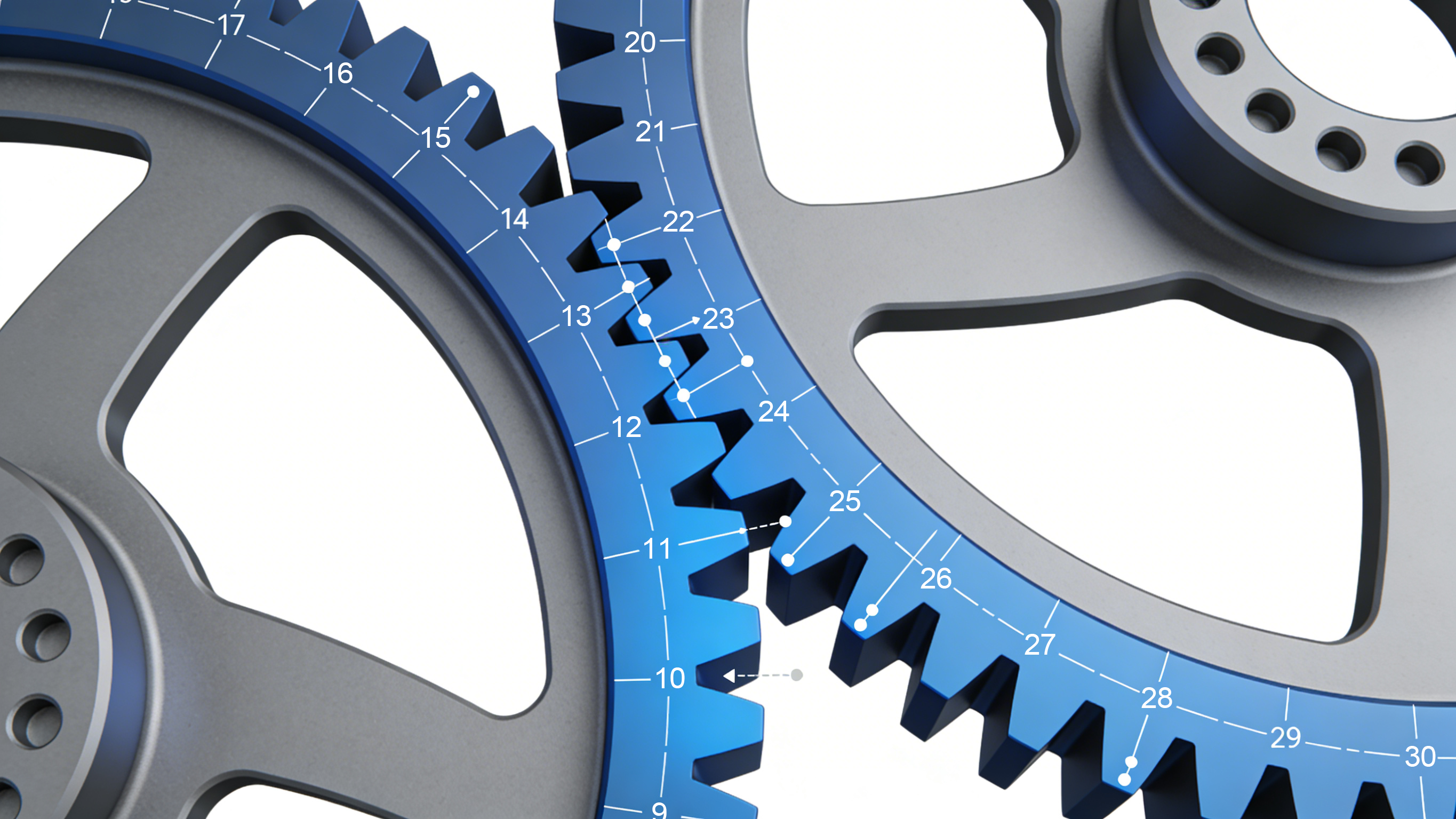
Why Standard Gears Should Not Have Fewer Than 17 Teeth In gear engineering, one rule is repeatedly mentioned in textbooks, standards, and real-world design practice:a standard involute gear should not have fewer than 17 teeth. This is not a conservative habit nor an arbitrary number. The 17-teeth rule originates from involute geometry, gear cutting kinematics,…
-

A Complete Analysis of Functions, Risks, and Proper Selection In CNC (Computer Numerical Control) machining, cutting fluids—also known as coolants—are essential process media used to ensure machining accuracy, extend tool life, and improve overall production efficiency. Whether in turning, milling, or high-speed machining, cutting fluids play a vital role in cooling, lubrication, chip removal, and…
-
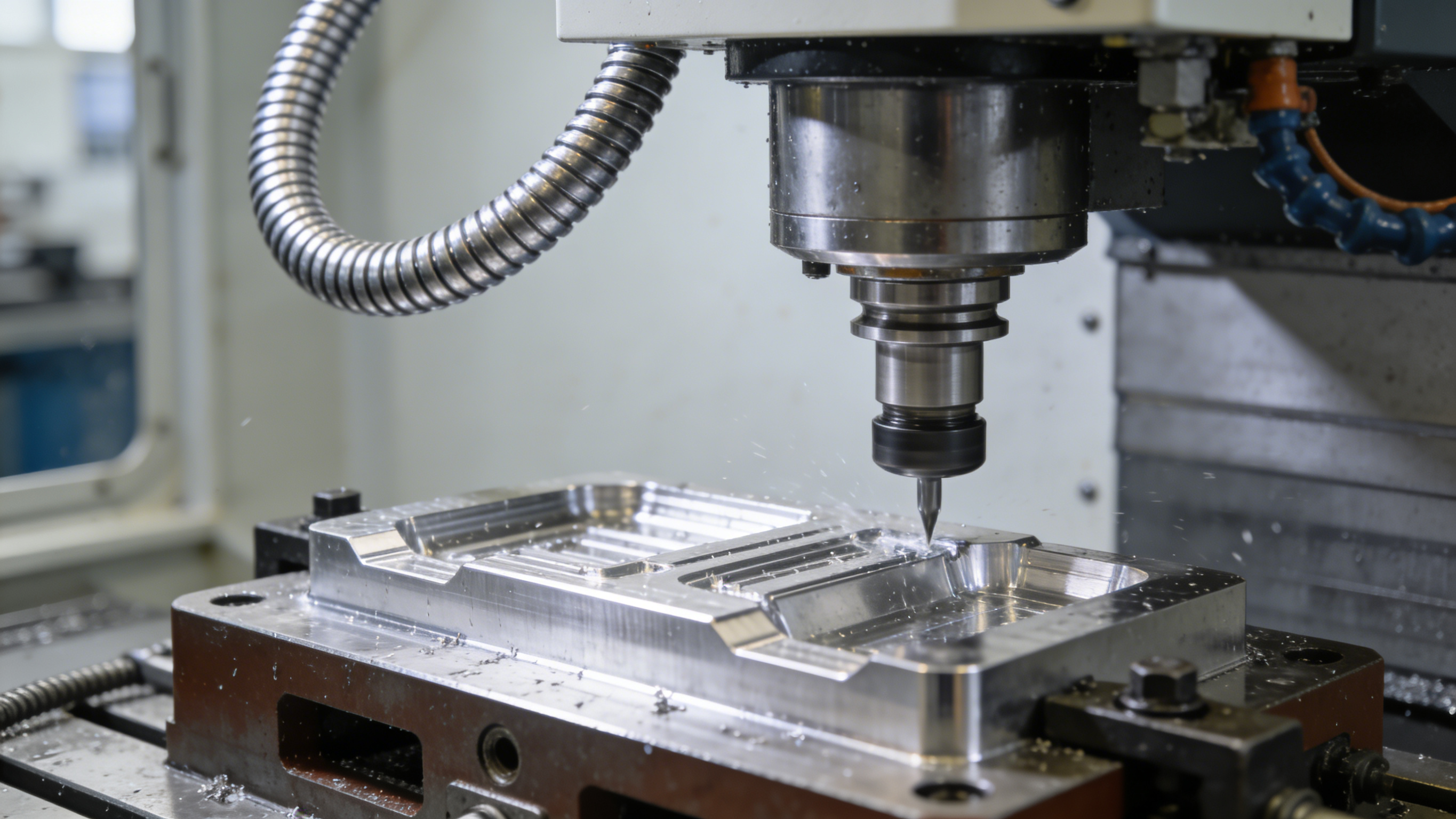
In CNC milling operations, climb milling and conventional milling are the two most fundamental cutting strategies. The choice between them has a direct impact on surface finish, tool life, machining efficiency, and overall production cost. With the advancement of modern CNC machines—especially the widespread use of high-precision ball screws and servo systems—traditional selection rules have…
-
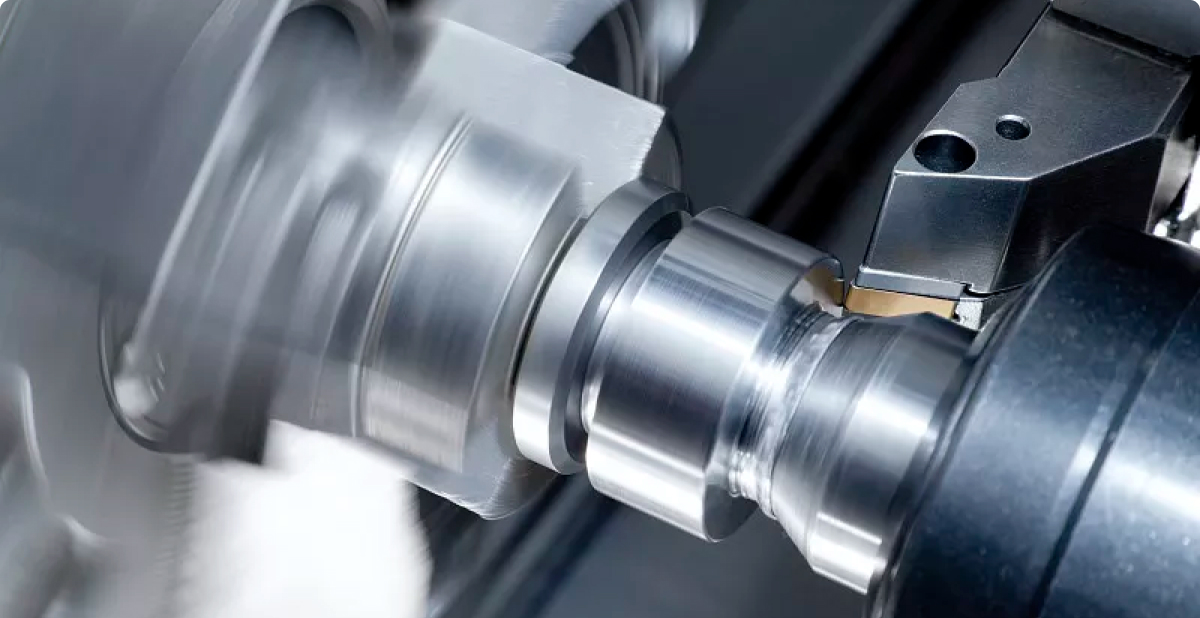
A Practical Guide to Precision Curved Surfaces and Flat-End Tool Machining In precision mechanical manufacturing, CNC turning plays a critical role in producing complex components—especially parts with curved surfaces and tight radius tolerances. For CNC machining companies serving international markets, clearly demonstrating expertise in radius control, tool selection, and advanced machining strategies is essential for…
-

In the manufacturing industry, precision tolerance is the gold standard for evaluating the quality of a machined part. Whether it’s aerospace components, medical devices, robotics structures, or consumer electronics, accuracy control runs through the entire production workflow. In CNC machining—especially in common processes such as turning, milling, and 5-axis machining—how do manufacturers consistently meet the…